
Recovery with Connection, Purpose, and Support
Proudly supporting the Milwaukee community with proven recovery programs since 2012
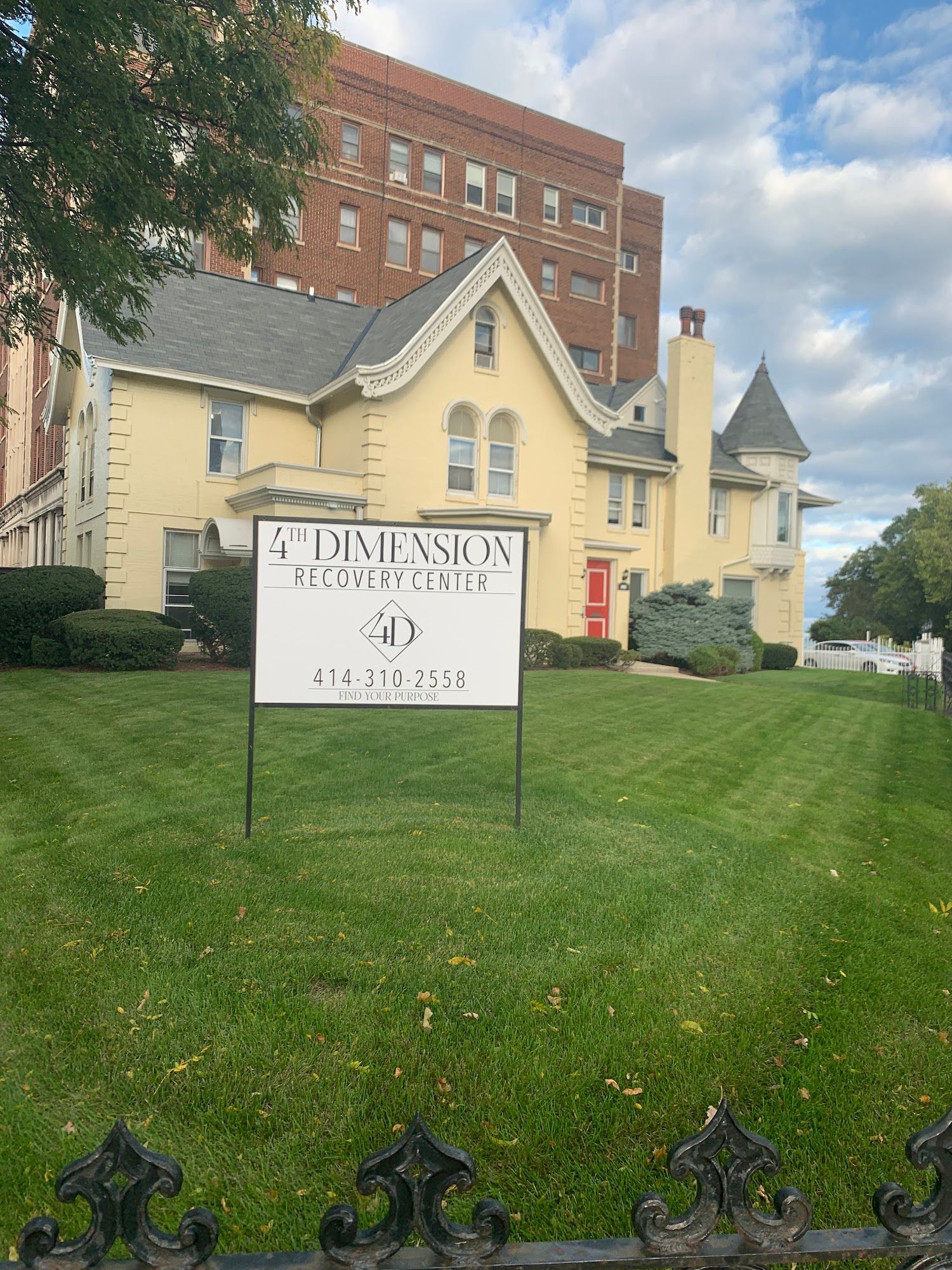

Welcome To 4th Dimension Recovery Centers
4th Dimension Recovery Centers
offers a compassionate, results-driven path to lasting recovery in Milwaukee. Since 2012, we’ve combined evidence-based clinical treatment, supportive sober living, and a deeply holistic approach that nurtures the mind, body, and spirit. Our structured community gives individuals the accountability, connection, and everyday guidance they need to rebuild their lives with confidence. At 4th Dimension, recovery isn’t just treatment—it’s a transformative experience rooted in dignity, purpose, and long-term support.
Why Choose
4th Dimension Recovery Centers
Funding Available
We work with multiple funding options to make quality treatment accessible for more individuals and families. Our team helps clients navigate available resources so financial barriers never stand in the way of getting help.
Over a Decade of Service
With more than ten years of experience, we’ve built a proven program rooted in compassion, expertise, and real-world results. Our longevity reflects our commitment to guiding individuals toward lasting sobriety.
Holistic Approach
We treat the whole person—mind, body, and spirit—through wellness practices that complement evidence-based therapy. This integrated model helps clients heal deeper, feel stronger, and stay connected to their recovery.
Locally Owned
As a Milwaukee-based organization, we’re deeply invested in the well-being of our community. Our local roots allow us to provide personal, accessible, and truly individualized support.
Daily Structure and Support System
Our program provides a consistent daily routine designed to keep clients grounded, focused, and supported at every step. With guided schedules and built-in accountability, individuals can rebuild healthy habits that strengthen long-term recovery.
We Work to Get Our Clients Into the Center Within 24 Hours
Are you looking for addiction treatment centers in Milwaukee WI? When you're looking for one of the most recommended addiction treatment centers Milwaukee, WI has to offer, we've got you covered. 4th Dimension is a locally owned and operated rehabilitation center providing a safe, structured and supportive environment for those seeking sober living. For clients seeking help with drug and alcohol addiction, we work to get our clients into the center within 24 hours. Everything is included aside from food, clothing, and hygiene supplies.
We have over a decade of service to the Milwaukee, WI community. To inquire about funding options, please contact us today.
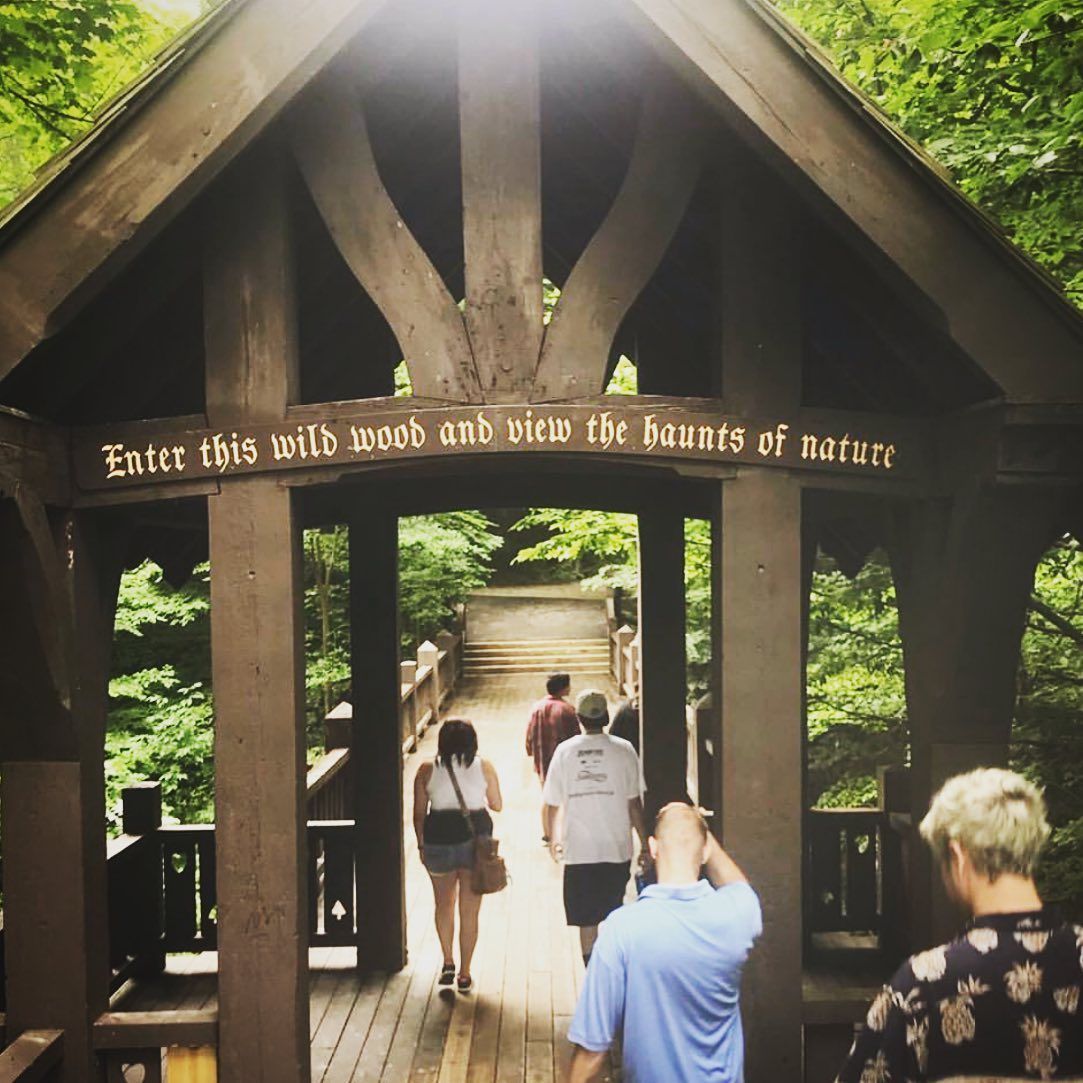
Programs &
Services
CLINICAL TREATMENT
We provide evidence-based clinical care that addresses the physical, emotional, and psychological effects of addiction. Our individualized plans, therapy, and ongoing monitoring build clarity, measurable progress, and long-term stability, helping individuals develop a stronger, healthier foundation at every stage of recovery.SOBER LIVING
We offer a structured, substance-free environment that supports individuals returning to daily life. Our sober living approach promotes accountability, healthy routines, and peer support, bridging treatment and independence while strengthening sobriety and long-term personal responsibility through reliable, consistent guidance.HOLISTIC APPROACH
We use a whole-person recovery model that improves emotional, physical, and mental balance. Our holistic methods include mindfulness, stress management, lifestyle development, and healing practices that help individuals reconnect with themselves, build resilience, and create healthier habits for long-term recovery success.STRUCTURED COMMUNITY
We foster a structured community built on accountability, routine, and shared purpose. Our approach encourages teamwork, daily guidance, and consistent expectations that support healthy decision-making, build confidence, and strengthen the long-term stability individuals need to maintain lasting recovery.Real Experiences From Our Community
Testimonials
A Path to Healing Built on Compassion and Community
Compassionate Care for Lasting Recovery
Finding the right path toward healing takes courage, and choosing from the many addiction treatment centers in Milwaukee, WI can feel overwhelming. At 4th Dimension Recovery Centers, we strive to make this decision easier by offering a safe, supportive, and structured environment designed to help individuals rebuild their lives. Our approach goes beyond surface-level recovery, focusing on healing the whole person—mind, body, and spirit—so that each client has the tools they need to create a sustainable future free from addiction.
We understand that recovery looks different for everyone, which is why our programs are designed with flexibility, compassion, and evidence-based care. Our team of dedicated professionals is committed to walking beside clients and their families every step of the way, offering encouragement, accountability, and guidance throughout the recovery process.
Personalized Addiction Treatment Programs
When searching for addiction treatment centers in Milwaukee, WI, it’s important to find a facility that understands that every individual has unique struggles and strengths. At 4th Dimension Recovery Centers, we tailor treatment plans to meet the specific needs of each client. Whether someone is seeking intensive support after detox or a structured sober living environment, we provide the resources necessary to achieve meaningful progress. Our treatment model combines professional guidance with peer support, helping clients develop the resilience they need for long-term success.
From individual counseling to group therapy sessions, clients are encouraged to explore the root causes of addiction while building healthy coping mechanisms. This personalized approach ensures that recovery isn’t just about abstinence—it’s about creating a new way of life rooted in stability, balance, and growth.
A Safe and Supportive Environment
One of the most critical aspects of recovery is having a safe environment where individuals can focus solely on healing without the distractions or pressures of everyday life. At 4th Dimension Recovery Centers, our facilities are designed to promote comfort, accountability, and community. Clients live in a structured setting that encourages healthy routines and positive relationships. This foundation allows them to gradually rebuild their independence while remaining surrounded by a support system that understands the challenges of recovery.
We believe that stability is key to overcoming addiction. That’s why we provide clear guidelines, consistent support, and resources that foster responsibility and self-discipline. By developing daily routines and engaging in structured activities, clients gain the confidence to move forward with their recovery journey.
Evidence-Based and Holistic Care
As one of the trusted addiction treatment centers in Milwaukee, WI, we integrate both evidence-based therapies and holistic healing practices. Traditional therapies such as cognitive behavioural therapy (CBT), motivational interviewing, and relapse prevention techniques are combined with practices that support emotional and physical well-being. This holistic approach ensures that treatment addresses more than just the symptoms of addiction—it helps heal the underlying causes and promotes overall wellness.
Clients may participate in mindfulness exercizes, wellness activities, and community-building opportunities that strengthen their ability to cope with stress and triggers in healthy ways. By focusing on the whole person, we prepare our clients to face challenges with clarity, resilience, and strength.
Building a Strong Recovery Community
Recovery thrives in community, and one of the things that makes our program unique is the emphasis we place on connection. Clients don’t walk this path alone—they are surrounded by peers who share similar experiences and goals. This creates an environment of mutual support, encouragement, and accountability. Group therapy, peer mentorship, and community activities are all part of the recovery experience at 4th Dimension Recovery Centers.
Our alumni network is also a vital part of our program. Past clients often remain involved, offering mentorship and encouragement to those who are just beginning their journey. This creates a cycle of support that extends far beyond an individual’s time at the center, ensuring that they always have a network of people who understand and care about their recovery.
Family Support and Involvement
Addiction doesn’t only affect the individual—it impacts families and loved ones as well. At 4th Dimension Recovery Centers, we recognize the importance of family involvement in the healing process. That’s why we offer education, resources, and support for families to help them better understand addiction and recovery. By including loved ones in the process, we strengthen the overall support system for each client, which significantly improves the chances of long-term success. Family members are encouraged to participate in sessions, engage in open communication, and learn healthy ways to support their loved one’s recovery. This collaborative approach allows everyone involved to grow together, repair strained relationships, and move forward as a stronger unit.
Preparing for Life After Treatment
The ultimate goal of recovery is not just to help someone stop using substances—it’s to help them create a fulfilling, independent life. As one of the most trusted addiction treatment centers in Milwaukee, WI, we focus heavily on life skills, relapse prevention, and long-term planning. Clients work closely with our team to develop strategies for transitioning back into everyday life with confidence and stability. Whether it’s finding employment, returning to school, or strengthening family relationships, our programs are designed to prepare clients for lasting independence.
By the time clients complete our program, they leave not only with sobriety but with a toolkit of resources, skills, and strategies to help them maintain their recovery. Our aftercare planning ensures that the transition from treatment back into the community is as smooth as possible, reducing the risk of relapse and empowering clients to continue moving forward.
Your Path to Healing Starts Here
Choosing among addiction treatment centers in Milwaukee, WI is one of the most important decisions you can make for yourself or a loved one. At 4th Dimension Recovery Centers, we are committed to offering compassionate care, personalized treatment, and a supportive community that empowers lasting recovery.
FREQUENTLY ASKED QUESTIONS
What is a clinically based sober living program?
We pair our sober living house with our outpatient treatment center to offer as many modes of recovery as we can for you to see what works best for you. Our sober living home is 12-step recovery-based, and our outpatient center treats both substance use disorder and mental health. The goal of a clinically based sober living program is to provide a safe and supportive environment for individuals in recovery to transition back into society while continuing to receive the necessary support and guidance to prevent relapse.
How long is your program?
We have a 3-month and 6-month sober living option. Our outpatient services are dependent on the need for each client, and there is no predetermined amount of time for an individual’s course of treatment.
Does insurance cover sober living?
Insurance does not cover the cost of sober living. There is a separate cost of housing. You may be eligible for county funding for our 6-month program. If approved, the county could cover 90 days of your stay.
How do you handle co-occurring mental health disorders?
Many people have co-occurring conditions like depression, anxiety, PTSD, or bipolar disorder. We perform an integrated assessment to identify these and offer simultaneous treatment — meaning both conditions are treated together rather than sequentially. That may include psychiatric evaluation, medication management, trauma-informed therapy, and DBT or CBT modalities. Integrated care reduces relapse risk and improves overall functioning. If inpatient stabilization is needed for a psychiatric crisis, we coordinate with hospitals and community providers to ensure continuity of care.
What evidence-based therapies and programs do you use?
Our programs use evidence-based modalities such as Cognitive Behavioral Therapy (CBT), Motivational Interviewing (MI), Dialectical Behavior Therapy (DBT), trauma-informed care, and relapse prevention planning. Group therapy, family therapy, and psychoeducation are staples. We track progress with measurable goals and adapt the plan if someone isn’t responding. The emphasis is on practical coping skills, triggers management, and rebuilding routines — not just talking about addiction. Expect structured curricula alongside personalized therapy to make gains stick.
How long does treatment last and what determines the length?
Treatment length depends on the individual’s substance history, medical/psychiatric needs, social supports, and treatment goals. Options range from short-term medically supervised detox (days) to residential programs (weeks) and outpatient or continuing care lasting months. Clinicians regularly reassess progress and recommend step-down or step-up levels of care as needed. The goal is to achieve stabilization, build skills, and create a robust aftercare plan; we’ll provide milestones and expected timelines during intake so you can plan work, family, and housing accordingly.
How do you involve family and loved ones in treatment?
Family involvement is offered through education sessions, family therapy, and support groups with consent. We teach communication skills, boundary-setting, and how to support recovery without enabling. Family sessions help repair relationships and prepare for re-entry into the home environment. Confidentiality is respected; participation is voluntary and occurs only with the patient’s approval. Many families find that understanding addiction as a health issue reduces blame and improves outcomes for everyone.
How is confidentiality handled and who gets access to my information?
Patient privacy follows federal and state laws (including HIPAA and 42 CFR Part 2 for substance use records) to protect treatment details. Information is shared only with your written consent, except in defined emergencies (imminent harm) or legally required disclosures. We explain confidentiality limits during intake and provide consent forms detailing who may receive updates (family, employers, legal entities). If you have concerns about records, ask for a privacy/exchange plan so you feel secure about who knows what.
What are common challenges people face in treatment and how do you address them?
Common challenges include stigma, ambivalence about change, withdrawal symptoms, housing or employment instability, and co-occurring mental health issues. We address these proactively: motivational interviewing for ambivalence, medical management for withdrawal, social work for housing/employment referrals, and trauma-informed therapy for underlying causes. Peer support reduces isolation, and practical skill-building (scheduling, budgeting) helps re-entry. We normalize setbacks and emphasize quick re-engagement to maintain momentum.
How do you measure success and what outcomes should I expect?
Success is individualized: short-term goals include stabilization, reduced use, improved physical/mental health, and engagement with therapy. Longer-term outcomes involve sustained abstinence or reduced harm, improved relationships, employment or education re-entry, and better quality of life. We track progress with standardized assessments, goal check-ins, and functional markers like housing stability or work participation. Because recovery is nonlinear, we emphasize resilience, coping skills, and relapse prevention rather than a single “success” metric.